

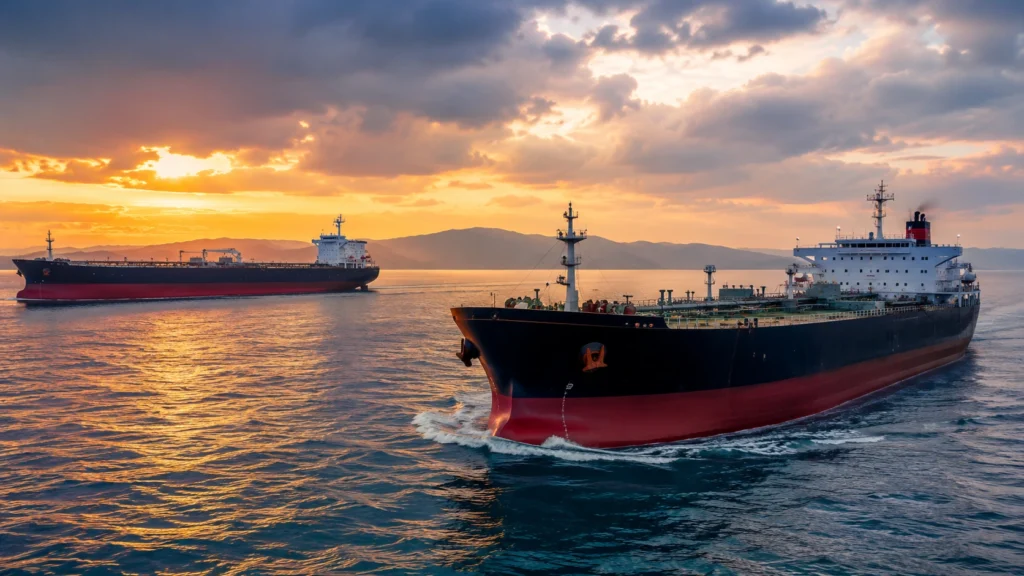

Fresh tensions in the Red Sea have disrupted another major oil shipment. Two Saudi oil tankers carrying crude for India changed course after new threats from Yemen’s Houthi rebels. The move has renewed concerns over the safety of one of the world’s busiest shipping routes.
The vessels had left Saudi Arabia and were heading toward India. However, the security situation changed quickly. After the Houthis warned ships linked to Saudi ports, both tankers reversed course. They headed back toward the Suez Canal instead of sailing through the Bab el-Mandeb Strait.
Threat Prompted Immediate Action
The Houthis recently announced that ships connected to Saudi Red Sea ports could become targets. The warning spread concern across the shipping industry.
Soon after, tracking data showed both tankers changing direction. The vessels avoided the high-risk route and returned north.
Shipping companies often act quickly in such situations. Even a single warning can force operators to alter plans. Safety remains the top priority.
Red Sea Remains a Critical Route
The Red Sea is one of the world’s most important trade corridors. It connects Europe, Asia, and the Middle East.
Millions of barrels of crude oil pass through this route every day. Large cargo ships also depend on the waterway.
Any disruption affects global trade. Delays increase transport costs. They also create uncertainty for energy markets.
The latest warning has once again exposed the risks in the region.
India Keeps a Close Watch
India imports most of its crude oil from overseas. Saudi Arabia is among its biggest suppliers.
There is no immediate impact on fuel supplies. However, longer shipping routes can increase costs. They can also delay deliveries.
Energy experts say the situation should be watched closely. If tensions continue, refiners may need to adjust supply plans.
Shipping Firms Face Fresh Pressure
The latest incident has increased pressure on global shipping companies.
Many operators are reviewing their routes before entering the Red Sea. Maritime security agencies are also monitoring vessel movements.
Insurance costs have already risen because of repeated attacks in the region.
If more ships avoid the Red Sea, they may sail around Africa instead. That journey is much longer. It requires more fuel and raises operating costs.
Those extra expenses often affect businesses and consumers around the world.
Oil Market Reacts
Global oil traders are closely watching the situation.
Security threats do not always reduce oil production. However, they can delay deliveries. They also increase transportation risks.
That uncertainty often pushes oil prices higher.
For now, Saudi Arabia continues exporting crude. But shipping companies remain cautious. Future decisions will depend on how the security situation develops.
Uncertainty Continues
The decision by the two tankers shows how quickly regional tensions can affect global trade.
Governments and shipping firms are keeping a close watch. Their goal is to ensure the safe movement of commercial vessels.
India’s energy supplies remain stable for now. Still, a prolonged crisis could increase import costs and extend delivery times.
The coming days will be crucial. If more vessels change course, the impact on global shipping and oil markets could become much bigger.