

India-Oman Deep Sea Pipeline: How This Project Could Strengthen India’s Energy Security
India is exploring an ambitious plan that could transform the way the country receives natural gas in the future. The proposed India-Oman Deep Sea Pipeline aims to connect Oman directly with Gujarat through an underwater route, helping India secure a stable supply of energy while reducing its dependence on traditional shipping channels.
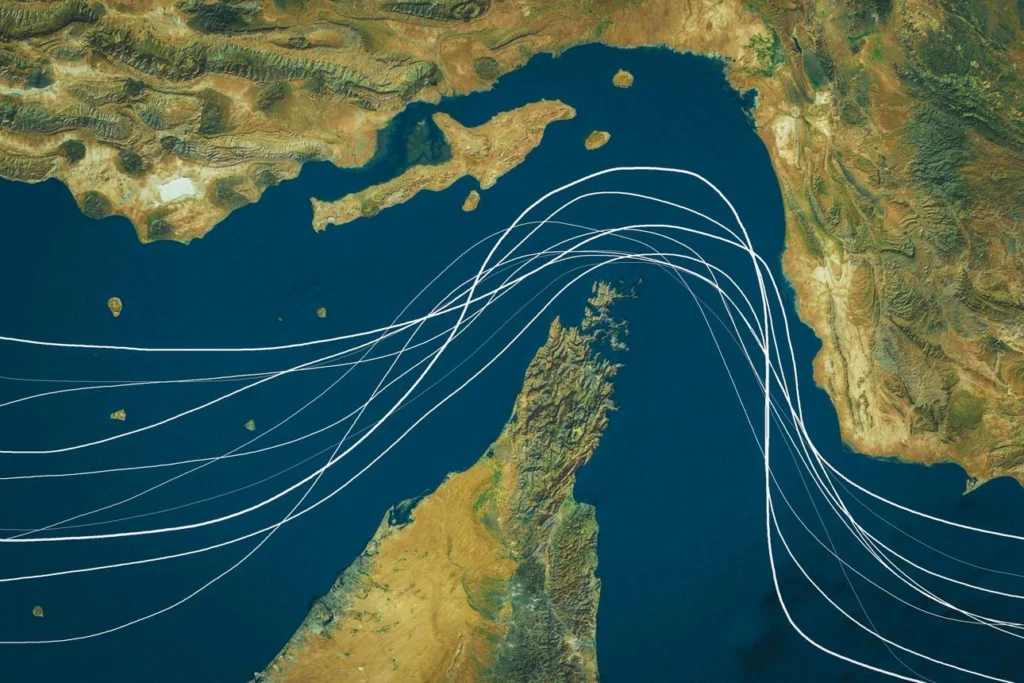
The project has attracted significant attention because of growing concerns over global energy security. India imports a large portion of its oil and natural gas from Gulf countries, and most of these supplies pass through the Strait of Hormuz, one of the world’s busiest and most sensitive energy routes. Any disruption in this region can impact fuel supplies and increase energy costs.
According to reports, the proposed Oman-India gas pipeline could stretch nearly 2,000 kilometers under the sea and may require an investment of around ₹40,000 crore. Although the project is still in the planning stage, experts believe it could become one of the most important energy infrastructure projects for India.

Why Is the India-Oman Pipeline Important?
One of the biggest advantages of the deep sea gas pipeline is that it would provide India with a direct and reliable source of natural gas. Instead of depending entirely on ships to transport energy, gas could flow continuously through the underwater pipeline.
This would help improve India’s energy security, especially during periods of geopolitical tension. It could also support the country’s growing demand for cleaner energy as industries and cities continue to expand.
Reducing Dependence on the Strait of Hormuz
The Strait of Hormuz plays a critical role in global energy trade. A large percentage of the world’s oil and gas shipments pass through this narrow waterway every day. Whenever tensions rise in the region, concerns about supply disruptions quickly follow.
For India, having an alternative route through the India Oman Deep Sea Pipeline could reduce these risks and ensure a more stable supply of natural gas. This would be particularly beneficial during emergencies or periods of uncertainty in global markets.
A Long-Term Vision for India’s Future
While the project is not expected to be completed anytime soon, it reflects India’s long-term strategy to strengthen its energy infrastructure. As the country’s economy grows, the demand for natural gas is expected to increase significantly.
If approved, the India-Oman Deep Sea Pipeline could not only improve energy security but also strengthen economic ties between India and Oman. More importantly, it would help India build a more reliable and resilient energy network for the future.
The proposal is still under discussion, but it clearly highlights India’s commitment to securing its energy needs and reducing risks associated with global supply chains.
https://bh24news.com/india-record-test-win-over-afghanistan/