

Yemen’s Houthi Rebels Grow Stronger, Raising Concerns for Saudi Arabia
Yemen’s Houthi rebels are becoming a major security concern for Saudi Arabia. The group has missiles and drones that can attack important places, including airports and oil facilities.
Despite years of military action against the rebels, they continue to pose a threat to the region. Their growing military power has raised concerns about safety, trade and peace in the Middle East.
Who Are the Houthi Rebels?
The Houthis are an armed group in Yemen, a country in the Middle East. They control large parts of Yemen, including its capital, Sanaa.
The group has been fighting Yemen’s government for years. Saudi Arabia has supported the government and carried out military operations against the Houthis.
However, these operations have not completely stopped the group. The Houthis continue to fight and use different types of weapons.
How Are the Houthis Attacking Saudi Arabia?
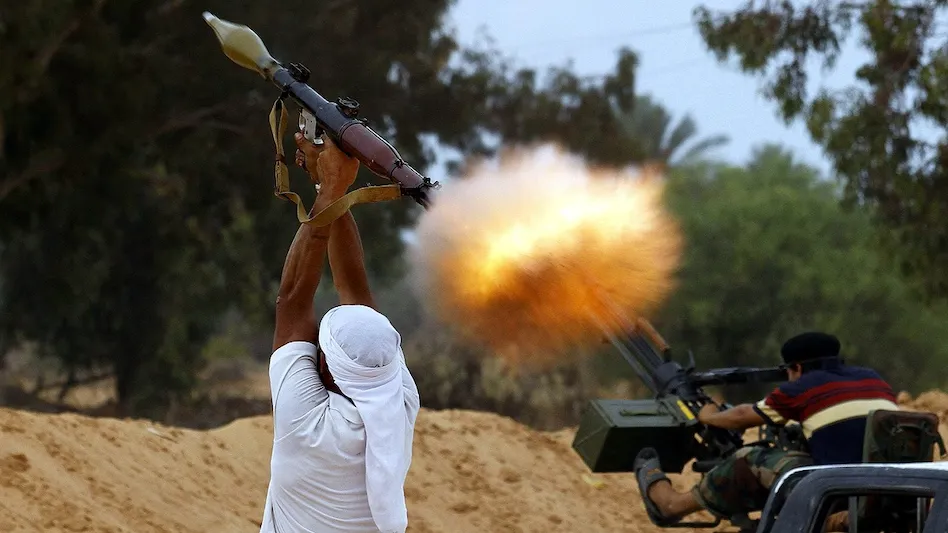
The Houthis use missiles and drones to carry out attacks from a distance. These weapons can threaten important places such as airports, oil facilities and other key buildings.
Saudi Arabia has modern weapons and air-defence systems to stop incoming attacks. But stopping every missile and drone is difficult, especially when attacks happen again and again.
Drones can also be cheaper to build than the weapons used to stop them. This creates another challenge for countries trying to defend themselves.
Why Are the Houthis Becoming Stronger?
There are several reasons why the group remains a threat.
1. Weapons and technical support
Iran is widely reported to have provided the Houthis with military and technical support. Iran denies some claims about supplying weapons in violation of international restrictions.
2. Missiles and drones
The group uses different types of missiles and drones. These weapons allow it to threaten targets from far away.
3. Difficult land
Parts of Yemen have mountains and rough land. This makes it difficult for opposing forces to find and destroy all the group’s weapons and bases.
4. Years of fighting
The Houthis have gained experience during years of conflict. Military action has damaged their resources, but it has not removed their ability to fight.
Why Is the Red Sea Important?
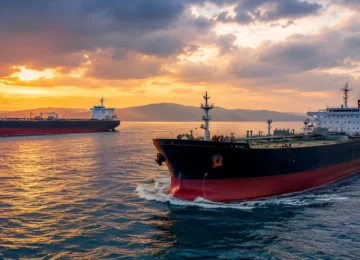
The Red Sea is an important route for ships carrying goods and energy supplies between countries.
The nearby Bab al-Mandab Strait connects the Red Sea with the Gulf of Aden. Many commercial ships pass through this area.
If fighting puts ships at risk, companies may have to change their routes. This can increase transport costs and delay deliveries. As a result, the conflict can affect countries far beyond Yemen and Saudi Arabia.
Can Military Attacks Stop the Houthis?
Military attacks can destroy weapons and damage bases. However, they may not be enough to stop the group completely.
A lasting solution may need talks between the sides, along with security measures. The parties would need to address their disagreements over power, land and Yemen’s future government.
The conflict has also caused serious problems for ordinary people. Continued fighting can make it harder for families to get food, medical care and other basic needs.
What Could Happen Next?
Saudi Arabia will need to protect its people and important facilities from possible attacks. At the same time, the conflict could continue to affect security across the Middle East.
The situation is also important for international trade because of the Red Sea shipping route.
Whether the conflict becomes worse or moves towards peace will depend on the decisions made by the groups and countries involved.
Conclusion
Yemen’s Houthi rebels continue to pose a security challenge for Saudi Arabia. Their use of missiles and drones makes it difficult to stop every attack.
The conflict also creates risks for shipping and trade in the Red Sea. Military action may damage the group’s weapons, but lasting peace will likely require political talks and a wider effort to end the conflict.