

Supreme Court on CJP Protest: Traders Seek Compensation Over Business Losses
New Delhi, October 16, 2026: The Supreme Court has declined to issue an immediate order against a planned protest by the Cockroach Janta Party (CJP) near Connaught Place in Delhi. However, the Court indicated that it could consider compensation if businesses suffer losses due to unlawful or disproportionate restrictions.
The matter came before a bench headed by Chief Justice of India Surya Kant and Justice Joymalya Bagchi after traders raised concerns about the impact of the proposed demonstration on shops, street vendors and local businesses.
With the festive season underway, traders fear that security restrictions, road closures and reduced customer access could affect their daily earnings.
Why Did Traders Approach the Supreme Court?
The Delhi Kirana Committee and the Delhi Iron and Hardware Merchants Association approached the Supreme Court over the planned CJP protest at Central Park in Connaught Place.
The traders argued that demonstrations and related security arrangements could disrupt commercial activity in one of Delhi’s busiest shopping areas. They expressed particular concern about small shopkeepers, street vendors and stall owners who depend on daily sales to support their families.
According to reports, the petition raised concerns about substantial potential business losses. These figures were claims made by the petitioners, not losses established by the Court.
The traders also asked authorities to ensure that public demonstrations do not unnecessarily block access to commercial areas, particularly during the festive shopping period.
What Did the Supreme Court Say?
During the hearing, the judges acknowledged the difficulties that restrictions and business disruptions could create for small traders and their families.
Justice Joymalya Bagchi observed that the right to protest, the need to maintain law and order, and the ability of people to earn their livelihoods were connected issues.
The Court indicated that if businesses suffered losses because of unlawful action or restrictions found to be disproportionate, it could consider compensation under its constitutional and public-law powers.
However, the judges did not issue an immediate order stopping the planned protest. The matter was expected to be listed again on October 26 or 27, after the Dussehra court break.
This means the Court has not yet ordered compensation or finally ruled that the authorities acted unlawfully.
Why Was Connaught Place Central Park Closed?
The New Delhi Municipal Council (NDMC) ordered the closure of Central Park in Connaught Place for two days ahead of the planned demonstration.
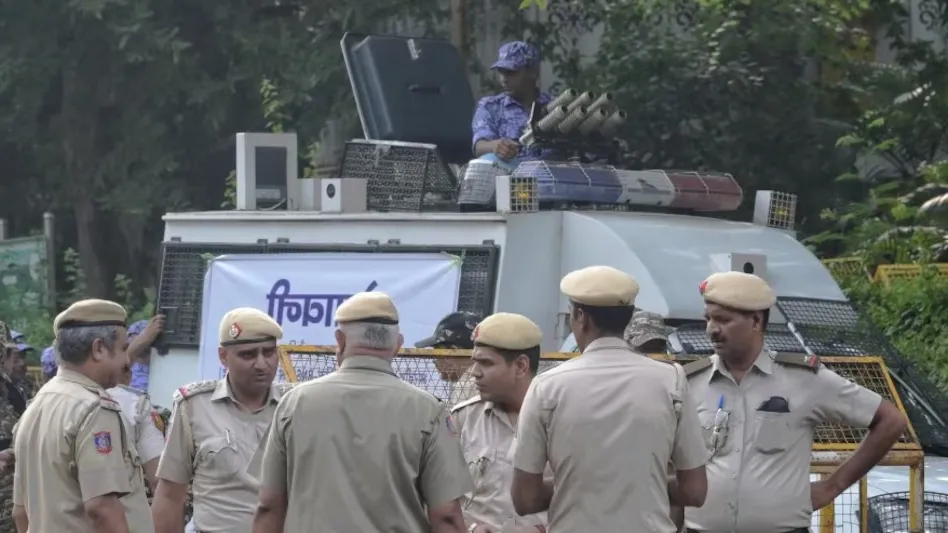
The closure was connected to administrative and security arrangements for the protest. Traders argued that the restrictions could prevent customers from reaching nearby shops and commercial establishments.
The dispute has raised a difficult question: how can authorities protect public order while also safeguarding the livelihoods of people who work in busy commercial areas?
The Court’s observations suggest that the proportionality of the restrictions and any resulting unlawful business losses may be examined during further proceedings.
What Is the CJP Protest About?
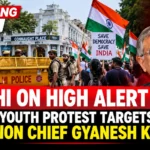
The Cockroach Janta Party announced a “Lehra Do Tiranga” march at Central Park in Connaught Place. The demonstration was planned in solidarity with party leaders Saurav Das and Ashutosh Ranka, who were sent to five days of judicial custody following an earlier protest-related incident.
The party has also raised concerns about the Special Intensive Revision (SIR) of electoral rolls and demanded the resignation of Chief Election Commissioner Gyanesh Kumar.
The controversy intensified after Jantar Mantar was removed from the list of designated protest venues. CJP supporters subsequently called for a demonstration at Connaught Place.
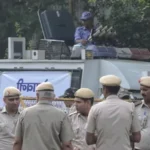
Authorities introduced additional security measures and restrictions ahead of the planned gathering.
What Happens Next?
The Supreme Court is expected to consider the matter again on October 26 or 27. The next hearing may provide further clarity on the restrictions, the traders’ concerns and the possibility of compensation.
For now, the Court has not imposed an immediate ban on the protest or ordered any payment to traders.
The case highlights the challenge of balancing the constitutional right to peaceful protest with public safety, access to commercial areas and the livelihoods of small business owners.
Stay connected with BH24 News for verified updates on the Supreme Court hearing and the CJP protest controversy.