

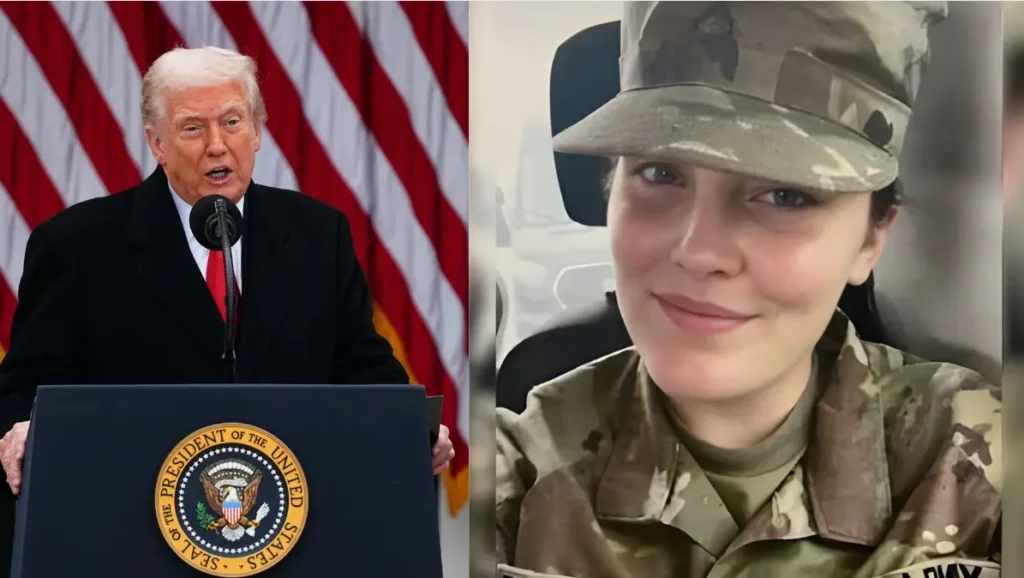

In a sweeping and controversial announcement, former US President Donald Trump declared that the United States would permanently pause migration from all third world countries. This comes in the aftermath of a tragic shooting near the White House, where two National Guard personnel were targeted. The move is poised to have far-reaching consequences, affecting millions who migrate to the US for work, education, or to escape persecution.
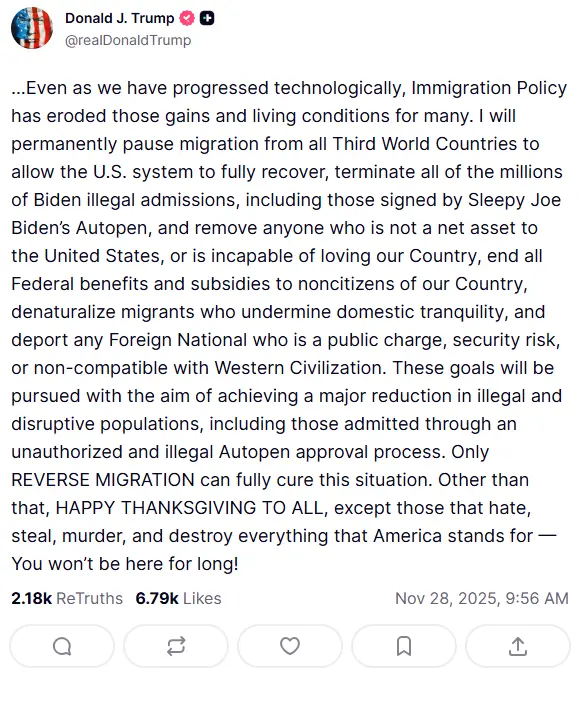
Trump shared his decision on Truth Social, stating that while the US has made technological and economic progress, immigration policies have “eroded gains and living conditions for many.” Therefore, he emphasized that the pause from third world countries is necessary to allow the American system to “fully recover.”
“Millions of illegal admissions under the Biden administration, including those approved via Autopen, will be terminated,” Trump said. “We will remove anyone who is not a net asset to the United States, or who undermines domestic stability. Federal benefits for noncitizens will end, and those who are security risks or incompatible with Western values will be deported.”
The Washington Shooting That Sparked the Policy
This unprecedented migration restriction follows a shocking incident just blocks away from the White House. An Afghan national, Rahmanullah Lakanwal, opened fire on two National Guard troopers, Sarah Beckstrom and Andrew Wolfe. Tragically, Beckstrom, 20, passed away, while Wolfe, 24, remains in critical condition.
Officials are still investigating the motive behind the attack. However, the incident intensified the debate on US immigration policies and provided the backdrop for Trump’s dramatic announcement. Shortly after the shooting, the US Department of Citizenship and Immigration Services suspended all immigration processing for Afghan nationals indefinitely.
Trump’s Take on Immigration from Third World Countries
Trump highlighted that a significant portion of the foreign population in the US—around 53 million people—comes from “failed nations” or countries plagued by conflict and crime. He argued that many migrants receive government benefits exceeding what they earn, putting a burden on American taxpayers.
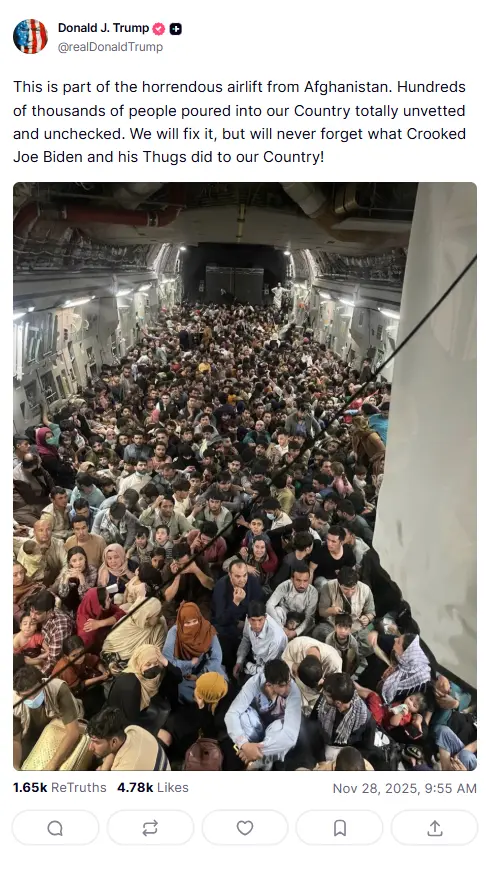
Moreover, Trump criticized the Biden administration’s handling of the 2021 Afghanistan airlift, sharing images of thousands of evacuees entering the US unchecked. “We will fix this, but will never forget what Crooked Joe Biden did to our country,” he posted.
According to Trump, the refugee burden from third world countries has contributed to social dysfunction, including rising crime, failed schools, overcrowded hospitals, and housing shortages. For example, he cited Somali refugees in Minnesota, stating they are “taking over” communities that were once thriving.
Implications of the Pause on Third World Migration
The policy could drastically reshape US immigration. In addition to halting new arrivals from third world countries, Trump’s plan includes:
-
Ending federal benefits for noncitizens
-
Revoking citizenship for those undermining domestic peace
-
Deporting individuals deemed a public charge, security risk, or incompatible with Western values
Consequently, the move is expected to affect job markets, universities, and communities with large immigrant populations. While the plan is controversial, it reflects Trump’s continued hardline stance on immigration and national security.
Conclusion
The pause on migration from third world countries represents a significant pivot in US immigration policy. With social, economic, and geopolitical consequences, this decision will likely dominate headlines and public debate in the coming months. Meanwhile, Americans, policymakers, and immigrants alike will closely watch how this policy unfolds, especially as the nation grapples with security concerns, social stability, and the balance between humanitarian obligations and national interest.