
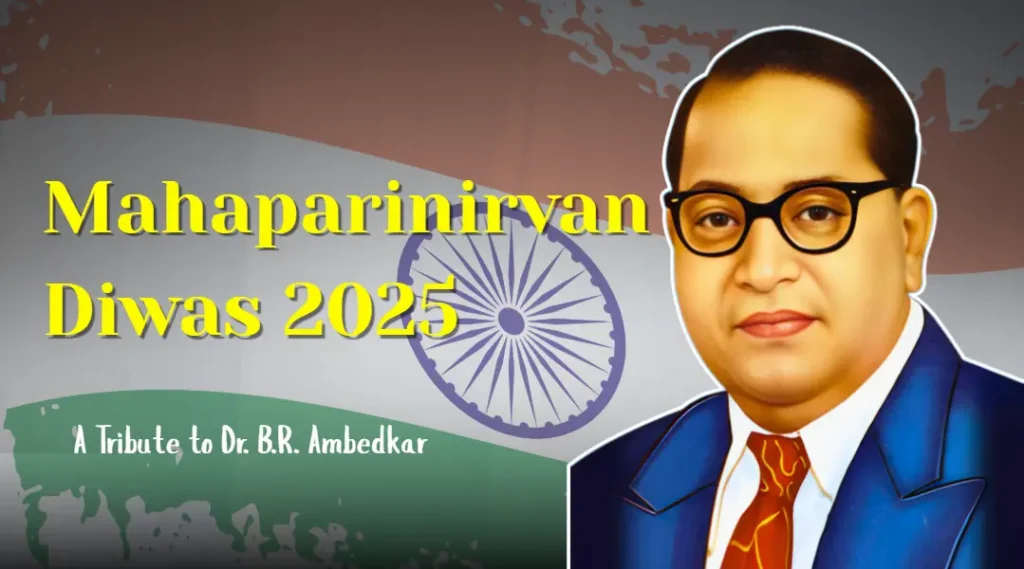

India observes Mahaparinirvan Diwas 2025 on December 6 to remember Dr. Bhimrao Ramji Ambedkar, one of the most influential leaders in Indian history and the principal architect of the Indian Constitution. His powerful fight against caste discrimination, his vision of equality, and his dedication to social justice transformed the structure of Indian democracy. On this day, thousands gather at Chaitya Bhoomi in Mumbai to offer respects and reflect on his work and teachings.
Meaning of Mahaparinirvan
The word Mahaparinirvan originates from Buddhist philosophy. It refers to the ultimate liberation achieved after death — a state beyond rebirth, suffering, and worldly limitations. In Buddhism, it is considered the highest spiritual state, symbolizing complete freedom of the soul.
Dr. Ambedkar embraced Buddhism on October 14, 1956, along with hundreds of thousands of followers. Therefore, the term Mahaparinirvan became closely associated with his passing, reflecting a spiritual culmination of his lifelong mission to fight oppression and promote equality.
Why the Day Is Observed
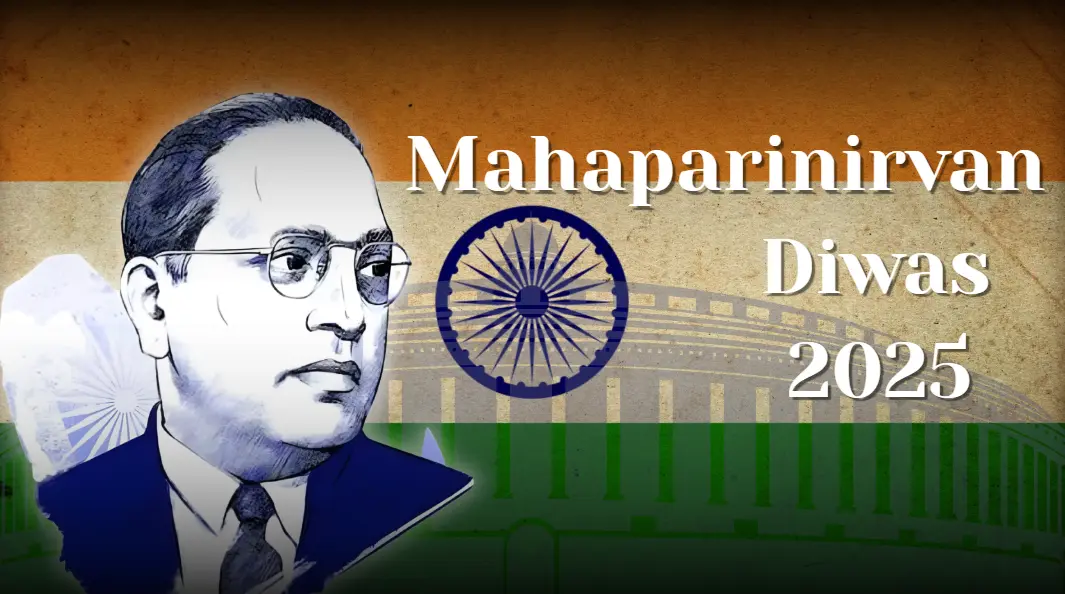
Dr. Ambedkar passed away on December 6, 1956, shortly after converting to Buddhism. His death was not merely the end of a life but a turning point for millions who viewed him as a symbol of resistance, dignity, and hope. The observance signifies both his departure and his transformative role in shaping modern India. For many, especially Dalit and Buddhist communities, this day is not only emotional but also deeply symbolic, reinforcing his struggles and vision.
A Journey of Resilience and Education
Born on April 14, 1891, in Mhow (Madhya Pradesh), Dr. Ambedkar faced discrimination due to his caste identity. However, he refused to accept societal limitations. Instead, he pursued education relentlessly. He earned degrees from prestigious global institutions including Columbia University and the London School of Economics. His academic brilliance set the foundation for his leadership, advocacy, and intellectual revolution.
Role in Social and Political Reform
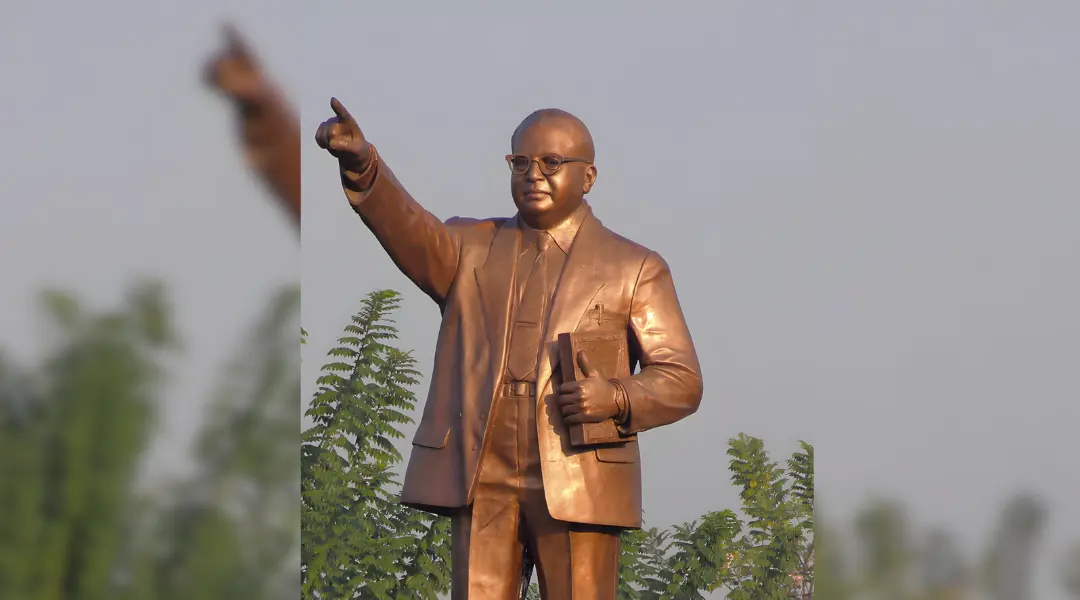
Throughout his life, Ambedkar challenged discriminatory systems. He led major movements such as the Mahad Satyagraha to demand equal access to public water. Later, he played a key role in the Poona Pact, ensuring political rights for oppressed communities.
Moreover, as the Chairman of the Constitution Drafting Committee, he ensured that India adopted principles such as equality before law, fundamental rights, fraternity, and protection for marginalized groups. His vision created a framework for a fair and democratic nation.
Conversion to Buddhism and Philosophical Influence
Dr. Ambedkar’s acceptance of Buddhism was a deliberate social, spiritual, and intellectual transformation. He believed Buddhism aligned with equality, rationality, and compassion. His book The Buddha and His Dhamma continues to inspire millions.
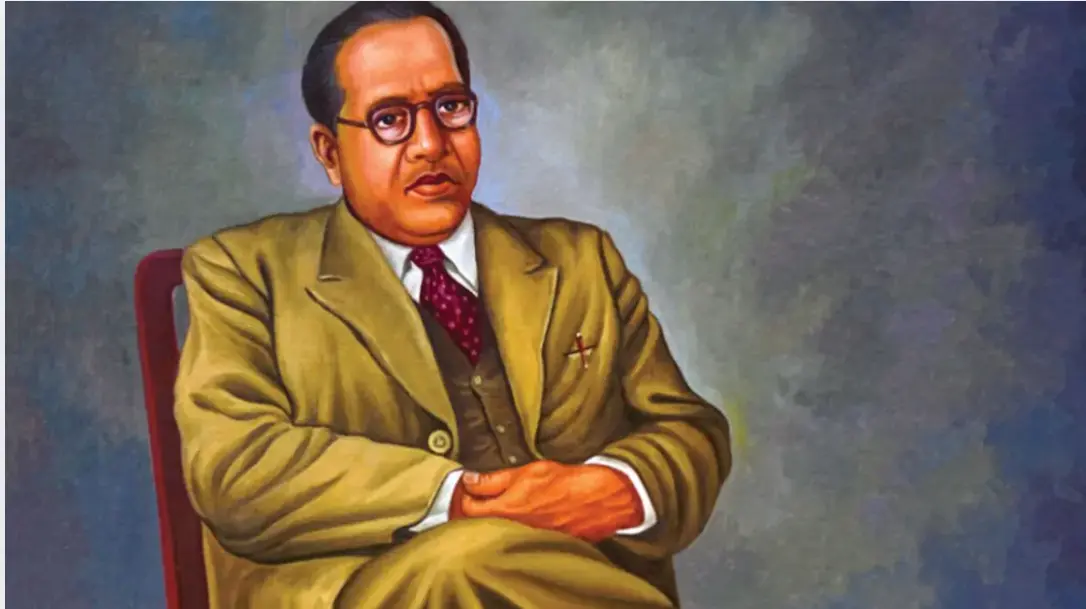
Observing Mahaparinirvan Diwas 2025
Across India, memorial programs, seminars, Constitution readings, and prayer gatherings take place. Chaitya Bhoomi in Mumbai remains the central site where followers stand in long queues to offer tribute. Schools and institutions conduct awareness events highlighting his contributions, ensuring that future generations understand his role in India’s progress.
Furthermore, the observance of Mahaparinirvan Diwas 2025 reminds society of the unfinished mission of building an equal and discrimination-free nation.
Why His Legacy Still Matters
Decades after his passing, his ideas continue to shape legal, social, and political discourse. Whether discussing equality, constitutional rights, representation, or social welfare — Ambedkar remains central. The observance of Mahaparinirvan Diwas 2025 is not only a tribute but also a reminder to uphold his values of justice, dignity, and human rights.